
Washington

Fishing

Fishing

Saltwater Fish Identification

Lingcod
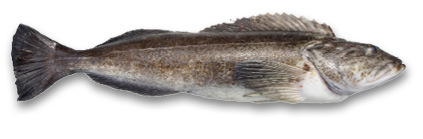
Lingcod fish with a long, mottled brown and gray body, large mouth, and sharp teeth, a popular marine species for anglers in the Pacific Northwest.
A lingcod, known for its mottled brown coloring and sharp teeth, is a prized catch for saltwater anglers along the Pacific Northwest coast.

Body dark brown, grey or green with mottling on sides. A single long fin on back with only one notch. Large mouth with large teeth. Can reach 5' in length.

Pacific Cod
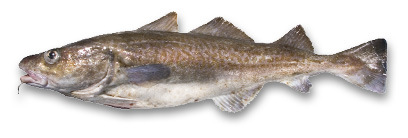
True cod fish with a long, slender body, brown mottled scales, three dorsal fins, and a small chin barbel, common in Pacific Northwest waters.
A true cod, easily recognized by its mottled brown body, three dorsal fins, and chin barbel, is a popular cold-water species in the Pacific Northwest.

Brown to grey body with lighter mottling. Three fins on back and a large “whisker” under lower jaw. Also called true cod and grey cod.

Walleye Pollock
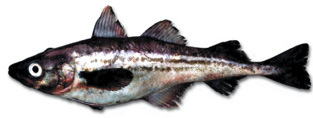
Walleye pollock fish with a slender silver body, dark mottling, three dorsal fins, and a small chin barbel, found in Pacific Ocean waters.
A walleye pollock, known for its silver body and mottled markings, is a key Pacific Ocean species important for both commercial fishing and marine ecosystems.

Body brown with mottling, usually with several stripes along the body. Three fins on back. The “whisker” under lower jaw is absent or very small. Large eye with small pupil.

Kelp Greenling (female)
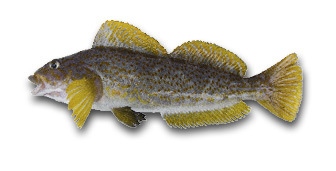
Female kelp greenling fish with a speckled brown body and bright yellow fins, a common species found in rocky Pacific coastal waters.
A female kelp greenling, recognized by her spotted brown body and yellow fins, is a distinctive Pacific coast fish often seen around rocky reefs and kelp beds.

Size: up to 21"

Color: small, reddish-brown to golden spots on a gray to brown body.

Look for: yellowish orange fins.

Kelp Greenling (male)
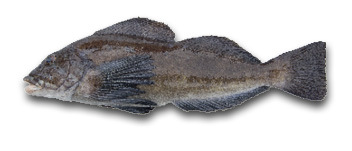
Male kelp greenling fish with dark mottled body and large pectoral fins, a common species in Pacific Northwest rocky reef habitats.
A male kelp greenling, identified by its darker mottled coloring and broad fins, is a Pacific Northwest fish often found near kelp beds and rocky shorelines.

Size: up to 21"

Color: gray to brownish-olive, with irregular blue spots on the front half of their bodies

Look for: eyelike spot at the end of the soft dorsal fin, just in front of the tail.

Cabezon
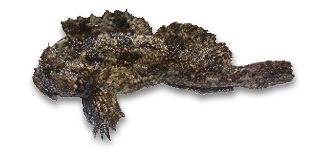
Cabezon fish with mottled brown coloring and large pectoral fins, a bottom-dwelling species common along Pacific Northwest rocky reefs and kelp beds.
A cabezon, known for its mottled brown pattern and broad fins, is a bottom-dwelling fish often found in rocky reefs and kelp forests along the Pacific Northwest coast.

Body olive green to grey with lighter mottling. Two fins on back. Skin flap between nostrils. Small teeth.

Pacific Hake
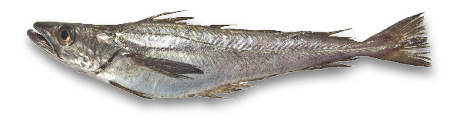
Pacific hake fish with a slender silver body and sharp fins, an important commercial species found in the Pacific Ocean off the West Coast.
A Pacific hake, recognized by its long, slender silver body and sharp fins, is a key species in West Coast fisheries and an important part of the Pacific Ocean ecosystem.

Body dark or silver grey becoming silvery below. Two fins on back, the second being deeply notched. Black inside mouth. Large mouth with sharp teeth. Also called whiting.

Dogfish Shark
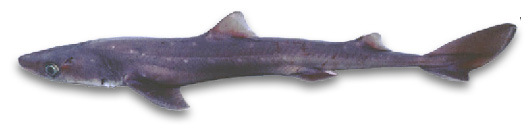
Spiny dogfish shark with a slender gray body and pointed snout, a common bottom-dwelling shark species found in Pacific coastal waters.
The spiny dogfish, a small shark with a gray slender body and pointed snout, is a widespread species in Pacific coastal waters and a notable catch for marine anglers.

Dark brown upper body with white belly, white spots sometimes on upper body. Single prominent spines in front of each dorsal fin. Lacks an anal fin.

Halibut
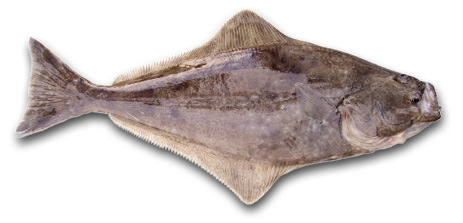
Pacific halibut with a flat, diamond-shaped body and mottled brown coloring, a popular sport fish found in deep Pacific coastal waters.
The Pacific halibut is a large, flat-bodied fish with mottled brown coloring, prized by anglers for its size and excellent table quality in Pacific coastal waters.

Size: up to 6'

Color: white on one side; brown-gray on the other.

Look for: large mouth and eyes on right side of body. Three points on tail.

Sixgill Shark

Bluntnose sixgill shark with a long, slender body and distinctive six gill slits, a deep-sea species found in Pacific coastal waters.
The bluntnose sixgill shark is a deep-sea predator recognized by its six gill slits and long, slender body, commonly found in the Pacific Ocean.

NOTE: Sixgill Shark may not be removed from the water.

Size: up to 15'

Color: dark brown or gray.

Look for: one fin on back situated towards tail. Six gill slits on each side of head.

Pacific Herring

Pacific herring with a slender, silver body and forked tail, an important forage fish species in marine ecosystems.
The Pacific herring is a small, silver-bodied fish that plays a key role in marine food webs and is a vital forage species for larger fish, birds, and marine mammals.

Size: up to 10"

Color: silver with dark blue-green back.

Look for: deeply forked tail and lack of adipose fin.

Longfin Smelt

Longfin smelt with slender silver body, forked tail, and distinctive long pectoral fins, an important forage fish in Pacific Northwest waters.
The longfin smelt is a small, silver fish with long pectoral fins, commonly found in Washington’s rivers and estuaries. It plays a vital role as a forage species for salmon, birds, and other wildlife.

Silvery fish 4-5 inches in length. Long pectoral fins.

Eulachon (Columbia River smelt)

Eulachon, a small silver forage fish with a slender body and forked tail, native to Pacific Northwest rivers and coastal waters.
The eulachon, also called candlefish, is a small silver forage fish found in Pacific Northwest rivers and estuaries. Known for its high oil content, it is an important species for both ecosystems and cultural traditions.

Size: up to 12"

Color: bluish on upper half with silvery white sides and belly.

Look for: grooves on gill cover, skinny head, speckled tail.

Surf Smelt

Size: up to 10"

Surf smelt, a small silver forage fish with a slender body and forked tail, commonly found in nearshore Pacific waters.
Surf smelt are small silver fish with slender bodies that live in nearshore Pacific waters. They are an important forage species for larger fish, seabirds, and marine mammals, and are also harvested in recreational fisheries.

Color: silver with a stripe along the side.

Look for: small adipose fin and stripe on the side.

Shiner Perch

Shiner perch, a small silvery fish with vertical bars and spiny dorsal fins, commonly found in nearshore Pacific waters and estuaries.
Shiner perch are small, silvery fish with faint vertical bars and spiny dorsal fins, often found in estuaries and nearshore Pacific waters. They play an important role in the food web and are popular among recreational anglers using light tackle.

Size: up to 8"

Color: greenish back with silvery sides.

Look for: forked tail and 3 broad yellow vertical bars.

Pile Perch

Pile perch, a silver-gray marine fish with dark vertical bars and a deep, laterally compressed body, common along the Pacific Coast near piers and rocky shores.
Pile perch are silver-gray fish with dark vertical bars and a deep, oval-shaped body. Common along the Pacific Coast, they are often found near piers, kelp beds, and rocky shores, making them a popular catch for shore anglers.

Size: up to 17"

Color: dusky to silvery gray, with dark bar in middle of body.

Look for: deeply forked tail and dark spot on gill cover.

Striped Perch

Striped seaperch, a deep-bodied marine fish with silver coloring and bold horizontal blue and orange stripes, found along the Pacific Coast in kelp beds and rocky areas.
Striped seaperch are striking coastal fish recognized by their bold blue and orange stripes across a silvery body. Common in rocky reefs and kelp forests along the Pacific Coast, they are a favorite catch for pier and shoreline anglers.

Size: up to 15"

Color: blue and yellow stripes on side of body.

Look for: bright color pattern.

Sanddab

Pacific sanddab, a small flatfish with a mottled brown body and pale underside, commonly found on sandy ocean bottoms along the Pacific Coast.
Pacific sanddab are small, bottom-dwelling flatfish with mottled brown coloring that helps them blend into sandy seafloors. Popular with anglers along the Pacific Coast, they are known for their mild flavor and abundance in shallow waters.

Size: up to 16"

Color: one side is off-white; other side is brown with mottling.

Look for: left-eyed fish, squared caudal fin.

Rock Sole

Rock sole flatfish with a dark mottled body and both eyes on one side, commonly found on rocky and sandy bottoms in the North Pacific.
The rock sole is a flatfish recognized by its mottled coloring and both eyes on one side of its body. Found in the North Pacific, this bottom-dwelling species blends into rocky and sandy seafloors, making it a popular catch for coastal anglers.

Size: up to 23"

Color: white on one side; top of body brown to green, small mouth.

Look for: right-eyed fish, lateral line arches above the pectoral fin.