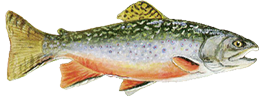
A detailed illustration of a brook trout, New Jersey’s native trout species, highlighting its distinctive olive-green back, red and blue-spotted sides, and bright orange fins. Brook trout are a key freshwater species protected through conservation and catch-and-release regulations in designated areas.
Rainbow Trout
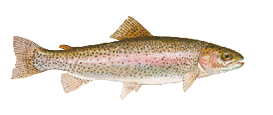
A detailed illustration of a rainbow trout, a popular freshwater sport fish in New Jersey, recognized by its pink lateral stripe and spotted body. Rainbow trout are commonly stocked in rivers, streams, and lakes to support recreational fishing opportunities statewide.
Lake Trout
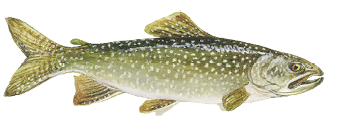
A detailed illustration of a lake trout, a coldwater freshwater species known for its light spots and deeply forked tail. Lake trout inhabit deep lakes and are managed to support sustainable recreational fishing opportunities in New Jersey waters.
Landlocked Atlantic Salmon
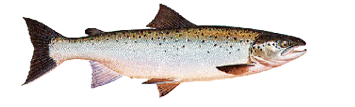
A detailed illustration of a landlocked Atlantic salmon, a freshwater sport fish recognized for its sleek silver body and scattered black spots. Landlocked salmon are managed to provide high-quality angling opportunities in select New Jersey lakes and reservoirs.
Brown Trout
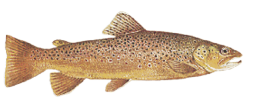
A detailed illustration of a brown trout, a popular freshwater game fish known for its golden-brown coloration and distinctive red and black spots. Brown trout are stocked and managed in New Jersey streams, rivers, and lakes to support recreational fishing opportunities.
Northern Pike
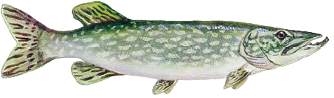
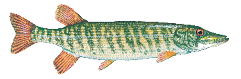
A detailed illustration of a northern pike, a large freshwater predator known for its long body, sharp teeth, and light spots. Northern pike provide exciting sport fishing opportunities in select New Jersey lakes and rivers.
Muskellunge
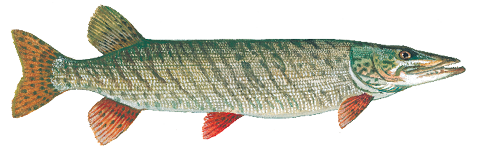
A detailed illustration of a muskellunge, also known as muskie, a large freshwater sport fish recognized for its long body and bold vertical markings. Muskellunge are managed in select New Jersey waters to provide trophy fishing opportunities for experienced anglers.
Chain Pickerel
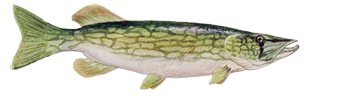
A detailed illustration of a chain pickerel, a freshwater predator known for its distinctive chain-like markings and slender, pointed snout. Chain pickerel are commonly found in New Jersey lakes, ponds, and slow-moving streams, offering popular sport fishing opportunities.
Walleye
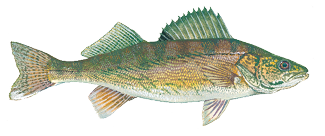
A detailed illustration of a walleye, a popular freshwater sport fish known for its olive-gold coloring and large, light-sensitive eyes. Walleye are managed in select New Jersey lakes and rivers to support quality angling opportunities.
Redfin Pickerel
A detailed illustration of a redfin pickerel, a small freshwater predator recognized by its green body, bold vertical markings, and reddish fins. Redfin pickerel inhabit New Jersey’s ponds, lakes, and slow-moving waters, offering unique angling opportunities for freshwater anglers.
White Perch
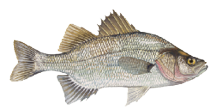
A detailed illustration of a white perch, a silver-gray freshwater and brackish water species with a prominent spiny dorsal fin. White perch are found in New Jersey lakes, rivers, and tidal waters, providing popular panfish opportunities for anglers.
Yellow Perch
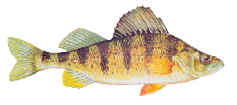
A detailed illustration of a yellow perch, a popular freshwater panfish known for its golden color and bold vertical bars. Yellow perch are commonly found in New Jersey lakes, ponds, and rivers, offering excellent fishing opportunities for anglers of all ages.
Striped Bass
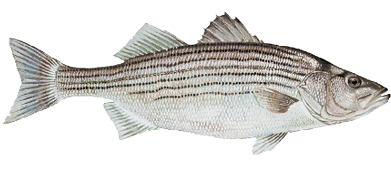
A detailed illustration of a striped bass, a popular sport fish recognized by its silver body and bold horizontal stripes. Striped bass are found in New Jersey’s coastal waters and some freshwater systems, supporting both recreational and commercial fisheries.
Hybrid Striped Bass
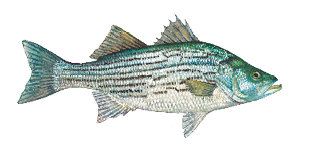
A detailed illustration of a hybrid striped bass, known for its silver body and broken horizontal striping pattern. Hybrid striped bass are stocked in select New Jersey lakes and reservoirs to provide exciting freshwater sport fishing opportunities.
White Sucker
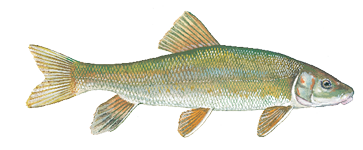
A detailed illustration of a white sucker, a native freshwater fish recognized by its thick body, large scales, and bottom-feeding mouth. White suckers are commonly found in New Jersey streams, rivers, and lakes, playing an important role in aquatic ecosystems.
Common Carp
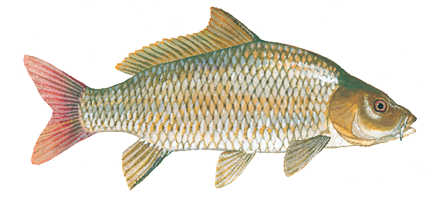
A detailed illustration of a common carp, a large freshwater fish known for its bronze coloring and whisker-like barbels. Carp are found in New Jersey lakes, rivers, and ponds, offering popular fishing opportunities for anglers statewide.
Largemouth Bass
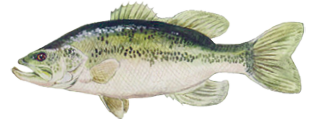
A detailed illustration of a largemouth bass, a popular freshwater sport fish known for its large mouth and dark lateral stripe. Largemouth bass are widely found in New Jersey lakes, ponds, and rivers, providing exciting fishing opportunities for anglers of all skill levels.
Smallmouth Bass
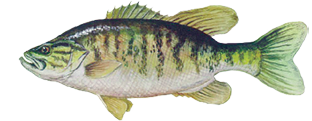
A detailed illustration of a smallmouth bass, a freshwater sport fish recognized by its bronze coloring and vertical bar markings. Smallmouth bass are found in New Jersey rivers, streams, and lakes, offering popular angling opportunities for bass anglers statewide.
Redbreast Sunfish
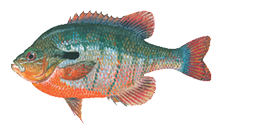
A detailed illustration of a redbreast sunfish, a colorful freshwater panfish known for its bright orange belly and distinctive dark ear flap. Redbreast sunfish are found in New Jersey streams and rivers, providing fun and accessible fishing opportunities for anglers of all ages.
Pumpkinseed Sunfish
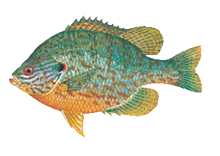
A detailed illustration of a pumpkinseed sunfish, a colorful freshwater panfish recognized by its orange belly, blue-green markings, and red ear flap spot. Pumpkinseed sunfish are common in New Jersey lakes and ponds, offering excellent fishing opportunities for beginner and youth anglers.
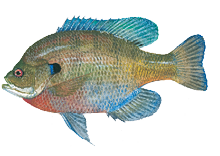
Bluegill Sunfish
A detailed illustration of a bluegill, a popular freshwater panfish known for its blue-green coloration and dark ear flap. Bluegill are common in New Jersey lakes and ponds, providing accessible and family-friendly fishing opportunities statewide.
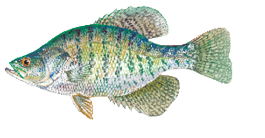
White Crappie
A detailed illustration of a white crappie, a popular freshwater panfish recognized by its silvery body and dark speckled markings. White crappie are found in New Jersey lakes, ponds, and reservoirs, offering excellent seasonal fishing opportunities for anglers.
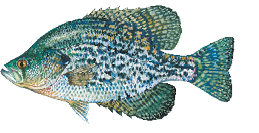
Black Crappie
A detailed illustration of a black crappie, a popular freshwater panfish known for its mottled dark pattern and tall dorsal fin. Black crappie are common in New Jersey lakes and reservoirs, providing excellent fishing opportunities throughout the year.
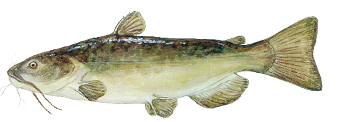
Brown Bullhead
A detailed illustration of a bullhead catfish, a freshwater species recognized by its whisker-like barbels and rounded tail. Bullheads are commonly found in New Jersey lakes, ponds, and slow-moving waters, offering accessible fishing opportunities for anglers statewide.
Channel Catfish
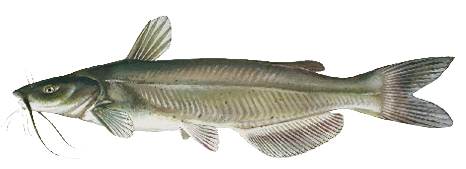
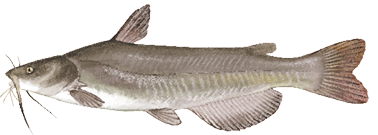
A detailed illustration of a channel catfish, a popular freshwater sport fish known for its forked tail and prominent barbels. Channel catfish are widely stocked and found in New Jersey lakes and rivers, providing excellent fishing opportunities for anglers of all skill levels.
White Catfish
A detailed illustration of a white catfish, a freshwater species recognized by its smooth light-gray body and barbels. White catfish are found in New Jersey lakes, rivers, and tidal waters, offering accessible fishing opportunities for anglers statewide.
Herring
Alewife
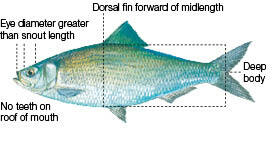
Labeled diagram of an alewife (river herring) highlighting key identification features such as a deep body, dorsal fin positioned forward of midlength, large eye diameter, and no teeth on the roof of the mouth. Alewife are migratory river herring found in New Jersey’s coastal rivers and bays and are important to both fisheries and aquatic ecosystems.
Atlantic Herring
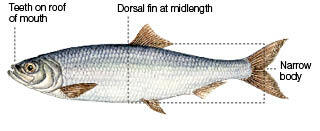
Labeled diagram of an Atlantic herring highlighting key identification features such as a narrow body, dorsal fin positioned at midlength, and teeth on the roof of the mouth. Atlantic herring are an important forage species in New Jersey’s coastal and marine waters, supporting both commercial fisheries and marine ecosystems.
Gizzard Shad
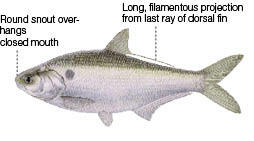
Labeled diagram of a gizzard shad highlighting identifying characteristics such as a rounded snout that extends beyond the closed mouth and a long, filamentous projection from the dorsal fin. Gizzard shad are common forage fish in New Jersey lakes and rivers and play an important role in freshwater food webs.
American Shad
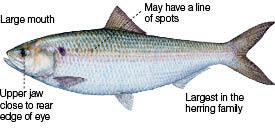
Labeled diagram of an American shad highlighting key identification features such as a large mouth, upper jaw extending close to the rear of the eye, and a possible row of dark spots along the side. American shad are the largest species in the herring family and migrate through New Jersey rivers to spawn.
Blueback Herring
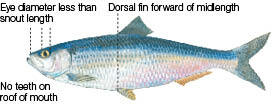
Labeled diagram of a blueback herring highlighting key identification features such as a smaller eye relative to snout length, dorsal fin positioned forward of midlength, and no teeth on the roof of the mouth. Blueback herring are migratory river herring that move through New Jersey’s coastal rivers and estuaries.
Hickory Shad
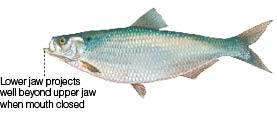
Labeled diagram of a hickory shad highlighting its key identification feature—the lower jaw extending noticeably beyond the upper jaw when the mouth is closed. Hickory shad are an anadromous species that migrate into New Jersey rivers to spawn.