

Conservation Funding: A Benefit for All
Virtually everyone enjoys seeing wildlife while hiking or driving a county road, whether it’s deer, ducks, or turtles. All wildlife, harvestable or not, need great habitats to thrive. Conservation funding is the key to keeping these habitats and the species that use them flourishing.
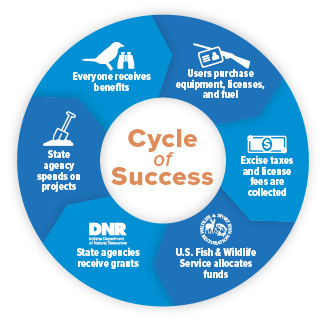
Hunters and recreational shooters have long been the driving force behind conservation funding in Indiana and across the country. In 1937, the federal Pittman-Robertson Wildlife Restoration Act was passed. It requires manufacturers and importers to pay an excise tax on firearms and ammunition. Archery equipment was added later. The U.S. Fish & Wildlife Service apportions and distributes the funds collected to the states.
To qualify to receive funding, each state must provide a 25% match, which primarily comes from licenses purchased by hunters and trappers. By statute, these funds must be spent on wildlife restoration and hunter-education programs. Wildlife restoration projects include but are not limited to the improvement, creation, and management of wildlife habitat on Fish & Wildlife areas (FWAs) and private lands, as well as wildlife health initiatives.
Whether you’re a hunter, birder, wildlife viewer or all three, you benefit from conservation funding that improves habitat for wildlife in your area. Any project that helps one species will undoubtedly benefit a long list of others, including the songbirds, wild turkey, white-tailed deer, bald eagle, mink, or turtles you hope to catch a glimpse of at the many FWAs around the state.
Conservation funding comes down to the efforts of the hunters, trappers, and sport shooters who help wildlife and their habitats receive the conservation management they need to thrive. To all of you—hunters and nonhunters alike—who contribute to this important work, thank you.
