Washington

Game Bird Hunting

Game Bird Hunting

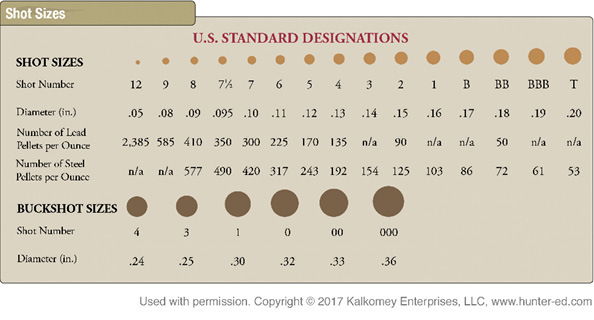
Shot Size Diagram

Chart showing U.S. standard shotgun shot sizes and buckshot sizes, including pellet diameters, number of pellets per ounce for lead and steel, and visual size comparisons from size 12 to T and buckshot sizes 4 to 000.
Shot size chart displaying U.S. standard designations for shotgun ammunition, comparing lead and steel pellet counts, diameters, and buckshot sizes to help hunters choose the right load for different game species.

Waterfowlers, WSU Extension Island County, and WDFW Waterfowl Section Need Your Help

Plastic shotgun wads and shell hulls have become the most common litter items encountered during beach clean ups in Island County in the last several years. This coincides with an uptick in the number of waterfowl hunter days, especially targeting sea ducks.

We can do better.

The WDFW Waterfowl Section is partnering with Washington State University Extension’s Island County Community Beach Litter Project which is funded by a grant through the Department of Ecology to help educate waterfowl hunters about the topic and to work towards solutions.

Keep It Clean

Single-use plastics are harmful to the environment and a number of our natural resources that Washingtonians value. The Waterfowl Section recognizes the legal obligation to retrieve downed birds over chasing spent shotgun wads and shells, but it is litter. And this litter is not only bad for the environment, but it is not consistent with the leadership role waterfowlers have played in the important legacy of conservation efforts for waterfowl and their wetland habitats.

Ways To Help

Seek alternatives: Several shell manufacturing companies are returning to biodegradable wads (something that use to be the norm). Support their efforts!

Volunteer at Community Beach Cleanups: The WSU Island County Community Beach Litter Project is an exceptional example, but this issue occurs everywhere waterfowling takes place over open water. Please consider finding an opportunity near you.

You Can Make A Difference!

To learn more about responsible shoreline practices and regulations that support habitat protection, visit WSU’s beach litter and marine debris removal guidelines. For full details on licensing, gear, and season requirements, refer to the Washington Department of Fish and Wildlife’s waterfowl hunting regulations.

Logos of Washington State University Extension, Washington Department of Fish and Wildlife Waterfowl Section, and the Washington State Department of Ecology, representing partners in wildlife and environmental conservation.
Logos of Washington State University Extension, the Washington Department of Fish and Wildlife Waterfowl Section, and the Washington State Department of Ecology — partners supporting conservation, habitat restoration, and responsible wildlife management in Washington State.