

Clam & Crab Identification
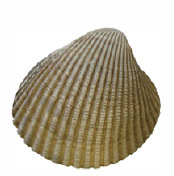
Cockle
Shell has prominent, evenly spaced ridges (ribs). Size 1½ to 3".
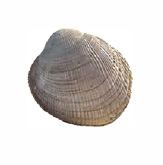
Littleneck Clam
(Steamer) Shell has radiating ribs, lacks deep scalloped edge of cockle. Size 1½ to 2½".
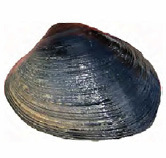
Butter Clam
(Martha Washington) Shell has fine concentric lines of growth. Size 2 to 4".
Softshell Clam
(Mud) (non-native) Egg shaped shell with concentric rings. Size 2 to 4".
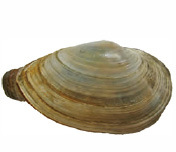
Gaper Clam
(Blue, Empire, Horseneck) Large gape where neck protrudes. Size 3 to 6".
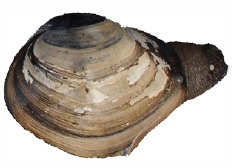
Razor Clam
Thin, oval shell has a smooth, lacquer-like, light brown coating; typically found on sandy ocean beaches. Size 3 to 6".
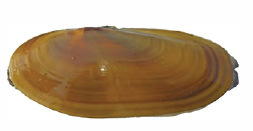
Purple Varnish Clam
(non-native) Thin, flat, shiny brown shell with external hinge. Interior of shell has purple hue. Size 1½ to 4".
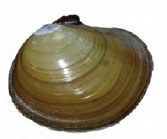
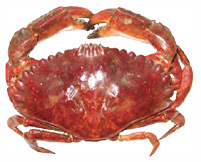
Red Rock Crab
Native crab with a red fan-shaped back and large black-tipped claws.
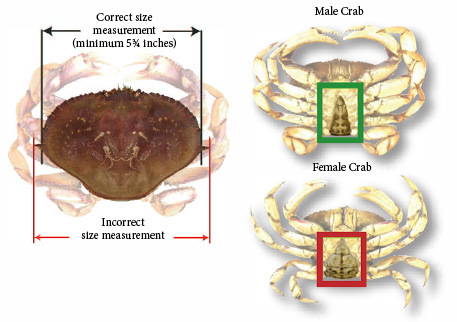
Dungeness Crab
Female crabs have a rounded flap on their underside. Male crabs have an elongated flap. Minimum measurement does not include points.
Before Harvesting Clams and Mussels
For your safety, call the Oregon Department of Agriculture Shellfish Safety Hotline before harvesting clams or mussels at 1-800-448-2474 or visit: oregon.gov/ODA/FSD/pages/shellfish_status.aspx.

